Running an auto repair shop has never been more competitive. Customers have more choices, higher expectations, and less patience for friction — whether that’s playing phone tag to book an appointment or approving repairs they can’t see or understand.
The shops that are winning aren’t necessarily the ones with the best technicians or the lowest prices. They’re the ones that have figured out how to communicate better, build trust faster, and keep customers coming back after the first visit.
That doesn’t require replacing your shop management system or overhauling everything at once. It requires the right tools layered on top of what you already have — tools that move customers smoothly from first contact all the way to leaving a five-star review.
Here’s how to build that end-to-end experience in your shop:
Accommodate Your Customers From the Get-Go
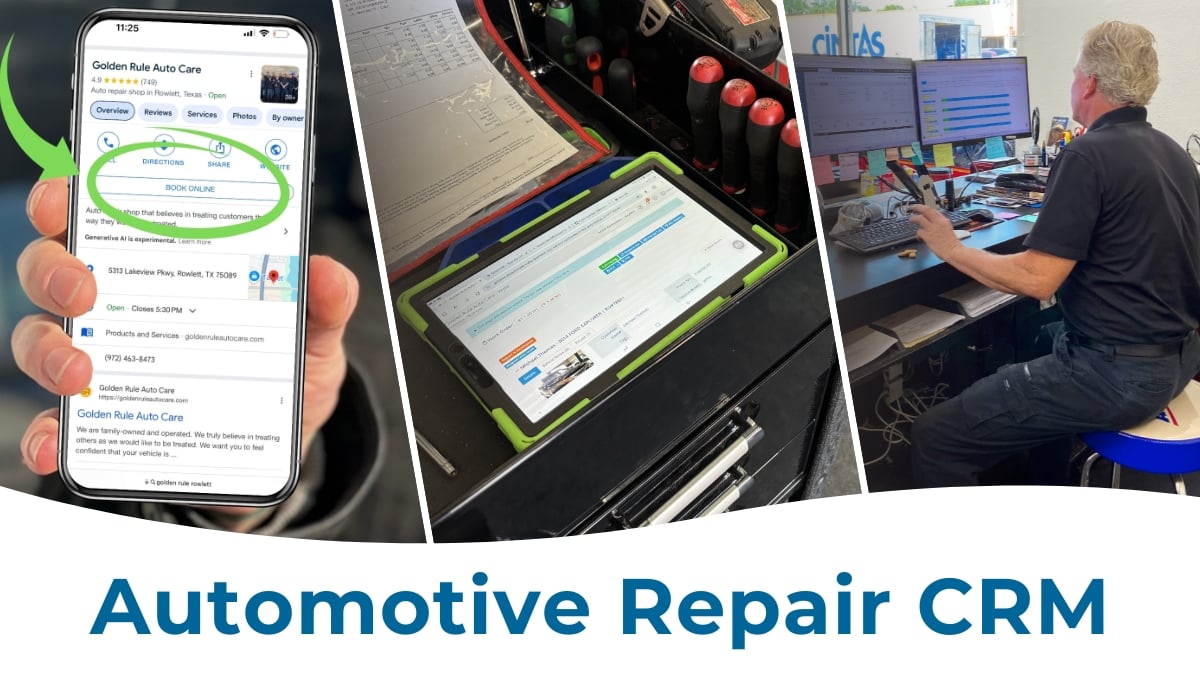
Offering online scheduling to your customers adds convenient booking that drives appointments to your auto repair shop. Shops can add a modern scheduler to their website that enables visitors to avoid phone tag and sends automated text and email reminders, reducing no-show appointments.
Show Your Customers What You See
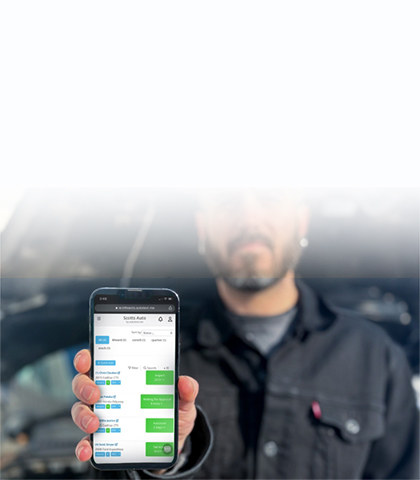
Customers can struggle with approving hundreds or thousands of dollars worth of work based on something they can’t see. This is where digital vehicle inspections change everything.
Technicians can document repair needs and recommendations and attach quick photos or videos along with simple notes.
That inspection gets sent directly to the customer’s phone as a text message. They can open it on their own time, look at the pictures and videos, and see everything for themselves.
This does two important things. It builds trust because you’re offering transparency. And, it helps customers make faster decisions because they understand and see the “why” behind needed repairs and recommendations.
Follow Up on Declined or Deferred Work
When a customer declines something today, that doesn’t mean they’ll never need it. It usually just means the timing isn’t right or the budget isn’t there.
The problem is, most shops forget about declined work the moment the customer drives away. Then, that customer comes back six months later with a bigger problem that could have been prevented.
A good system keeps track of what was declined and reminds you to follow up later. Maybe you recommended new tires, but the customer wanted to wait until after the holidays. Your system should flag that and prompt you to reach out in January.
That’s not being pushy; it’s being helpful. You’re reminding them of something they already know they need, at a time when they might actually be ready to take care of it.
Stop Waiting and Start Tracking
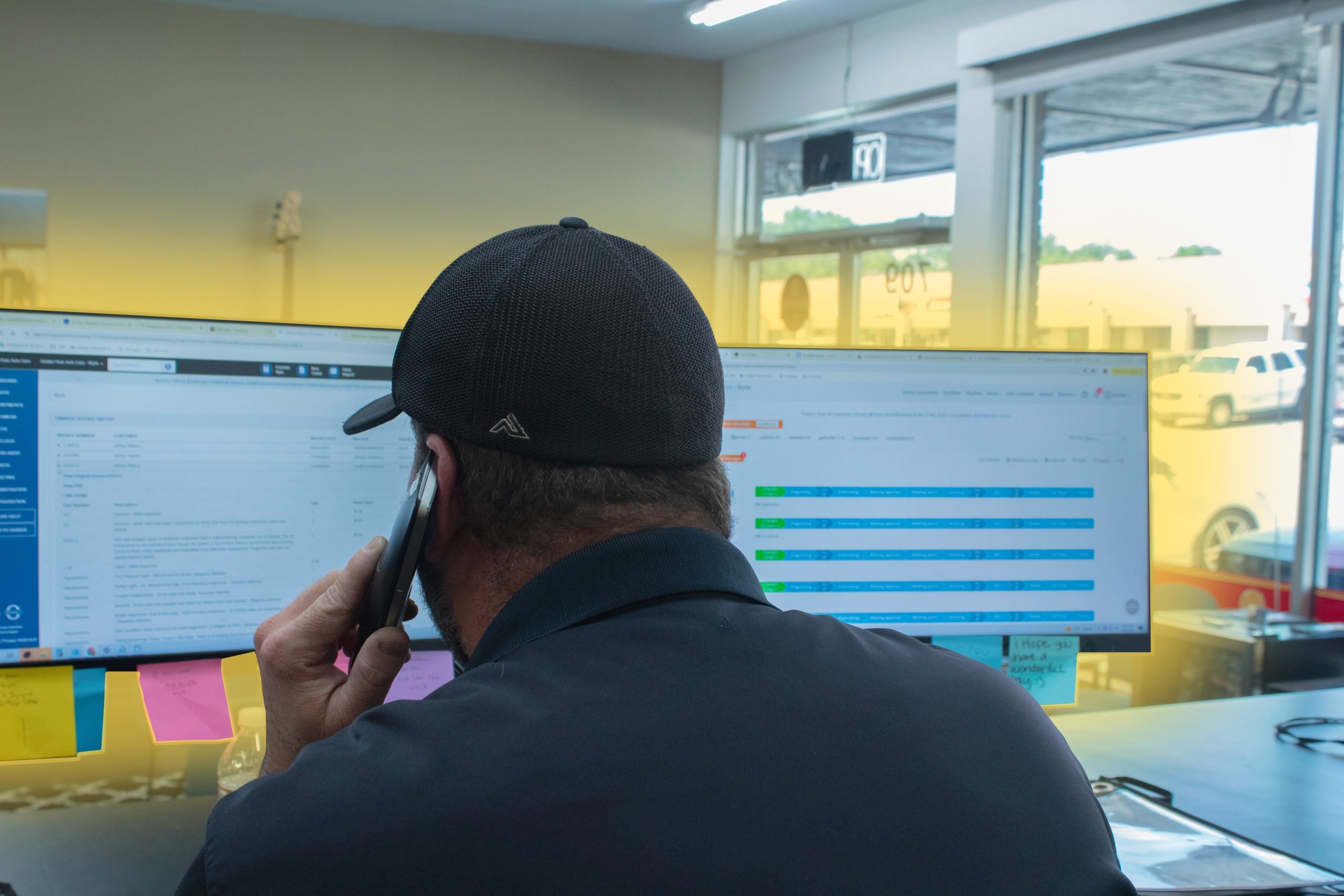
If a car is sitting in your bay and you’re not sure if the customer has even seen your digital vehicle inspection yet, that can pose a problem.
This is where tracking becomes important. You should be able to see when the customer opened your inspection and what they viewed or didn’t view.
If they opened it but haven’t replied, maybe they have questions. That’s your cue to send a quick follow-up text or give them a call.
Knowing where things stand helps you manage your bays better and keeps cars from sitting around while you wait.
Train Your Team on the New Process
Here’s something that trips up a lot of shops when they start using digital vehicle inspections. The technology works great, but the team doesn’t use it consistently.
If you want this to work, everyone needs to be on board. That means training your team on why this matters and how to do it right.
Show your technicians how to take clear photos and videos that show the problems. Teach your advisors how to write inspection notes that customers can understand. An AI-Enhanced feature can greatly assist technicians in creating notes that are professional and easily understood by customers.
Build Customer Relationships That Last Beyond One Visit
When you show customers what’s wrong with their vehicles, explain it all clearly, and equip them with what they need to make smart decisions, you’re treating them with respect.
And, when customers trust you, they come back the next time something goes wrong. You want to incorporate tools that will build long-standing customer relationships.
A digital quality control (QC) feature sets the protocol to catch residual mistakes and gives shops the confidence of delivering vehicles to customers in the condition they expected and paid for. It also safeguards your repair shop’s reputation.
Capturing a happy customer’s experience while it is fresh is about timing. A review feature can automate the process of requesting and managing reviews. After a service is completed, send follow-up emails or text messages with direct links to your Google review page, making it effortless for your customers to leave feedback and for you to monitor and respond to reviews efficiently.
Start With One Small Change
If you’re reading this and thinking “that all sounds great, but it’s all just too much to take on,” don’t try to change everything at once.
Start with implementing two-way text communication. This method is often preferred by many customers, saves time for everyone, and boosts efficiency. Customers will also appreciate being kept informed throughout the vehicle repair process with automated text status updates.
Next, adopt digital vehicle inspections. Get your technicians in the habit of taking photos and videos of what they find. Send those photos to customers and see what happens.
Once that’s working smoothly, start tracking declined work so you can follow up later.
You don’t need to overhaul your entire process overnight. Small improvements add up fast.
The important thing is to start.